
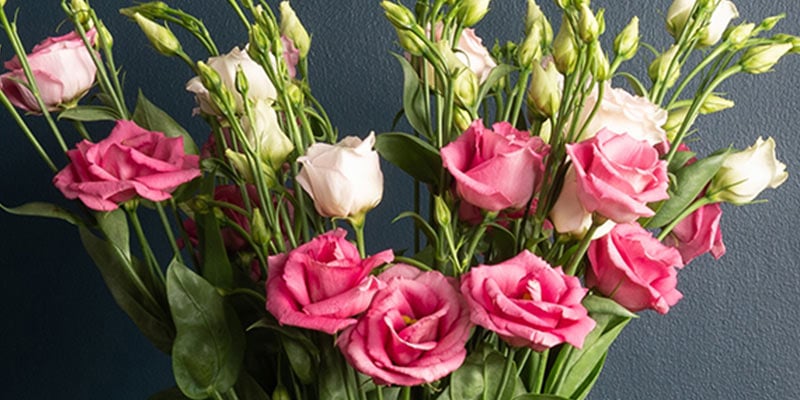
Romantic, elegant and often mistaken for a rose, the lisianthus is one of the floral world’s hidden gems.
With its soft, ruffled petals and dreamy colour palette that ranges from pure white to soft pink and vibrant violet, this flower has earned a place in both luxury bouquets and everyday arrangements. Keep reading to discover all about this beautiful bloom, and shop our lisianthus bouquets below.
The meaning of lisianthus
The word lisianthus comes from the Greek word ‘lysis’ (meaning dissolution) and ‘anthos’ (meaning flower), which translates to ‘dissolving flower’. It represents appreciation and gratitude, so it’s often chosen for weddings, anniversaries or for thank you bouquets. It's also the birth flower for Sagittarius.
Lisianthus briefly had another name
Lisianthus was briefly renamed to Eustoma, which comes from the Greek word ‘Ɛu’, meaning pleasing, and ‘στÓμа’, meaning mouth. The name ‘pleasing mouth’ likely was due to the flower’s large size, which can grow to three to four inches wide. But lisianthus was the name that stuck.
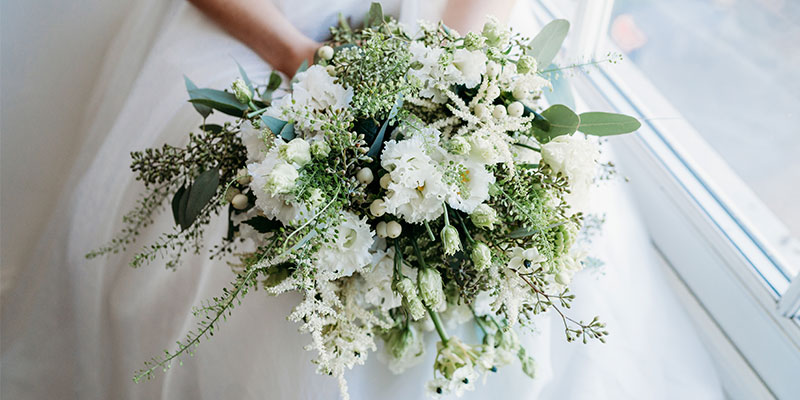
Lisianthus is native to the southern United States
Naturally growing in the warm climates of the southern US, the Caribbean, Mexico and northern South America, lisianthus is often found in grasslands, which earned the flower its common nickname, the Prairie Gentian. Other nicknames of the flower include Texas Bluebells, Seaside Gentian and the Poor Man’s Rose.
Lisianthus has no scent
Unlike other popular flowers or the rose that it’s commonly likened to, lisianthus has little to no fragrance. But this lack of scent actually makes lisianthus versatile, as it means it can be used at weddings and events without clashing with the scents of other blooms and overwhelming the senses. It also makes it a perfect choice for adding into a bouquet for those who are sensitive to strong floral aromas.
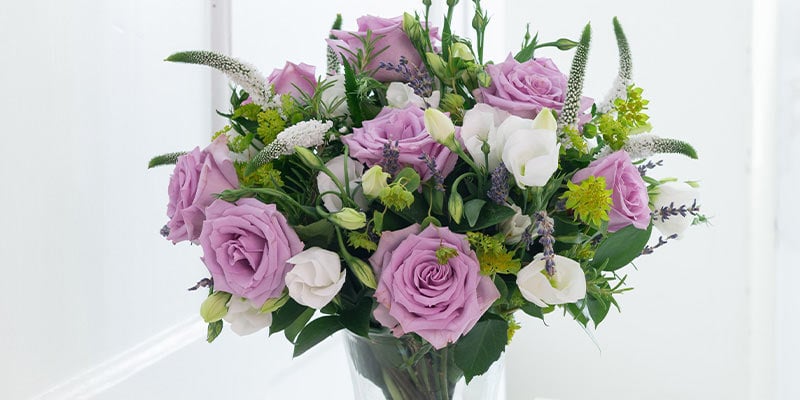
Lisianthus is tricky to grow
It requires very specific conditions to grow, such as plenty of sunlight, well-drained soil and just the right amount of moisture. The seeds are tiny and slow to germinate, often taking weeks before showing signs of growth, and are highly sensitive to overwatering or sudden changes in temperature. Because of this, lisianthus is considered a flower for professionals (or those who are very patient!) who can give it the careful attention it needs.
Lisianthus can last for two weeks
One of the main qualities lisianthus is known for is its vase life, which can vary from 10 to 14 days when properly cared for. To maximise their lifespan, trim the stems at an angle, keep the water fresh and place the flowers in an environment with plenty of sunlight (which is very different from usual care instructions, which is to place flowers away from direct sunlight).
Lisianthus widely vary in size
Depending on the variety and growing conditions, lisianthus can reach heights of 12 to 36 inches, with some types even growing to 40 inches (or 1 metre). Taller varieties are often favoured by florists for event centerpieces due to their elegant, upright shape, while shorter varieties are often found in gardens, containers and bouquets.
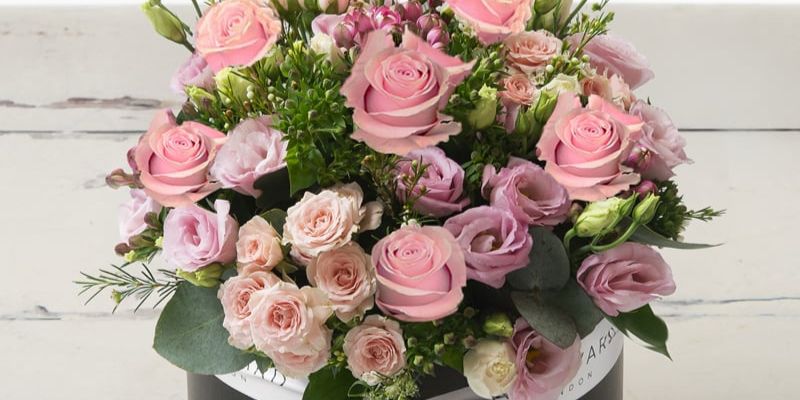
Japan is one of the biggest producers of lisianthus
Japan has become one of the leading producers of lisianthus, developing unique varieties with larger blooms and different colours that are frequently used at weddings. Japan is also a major exporter, supplying florists all around the world with high-quality lisianthus.







 Loading...